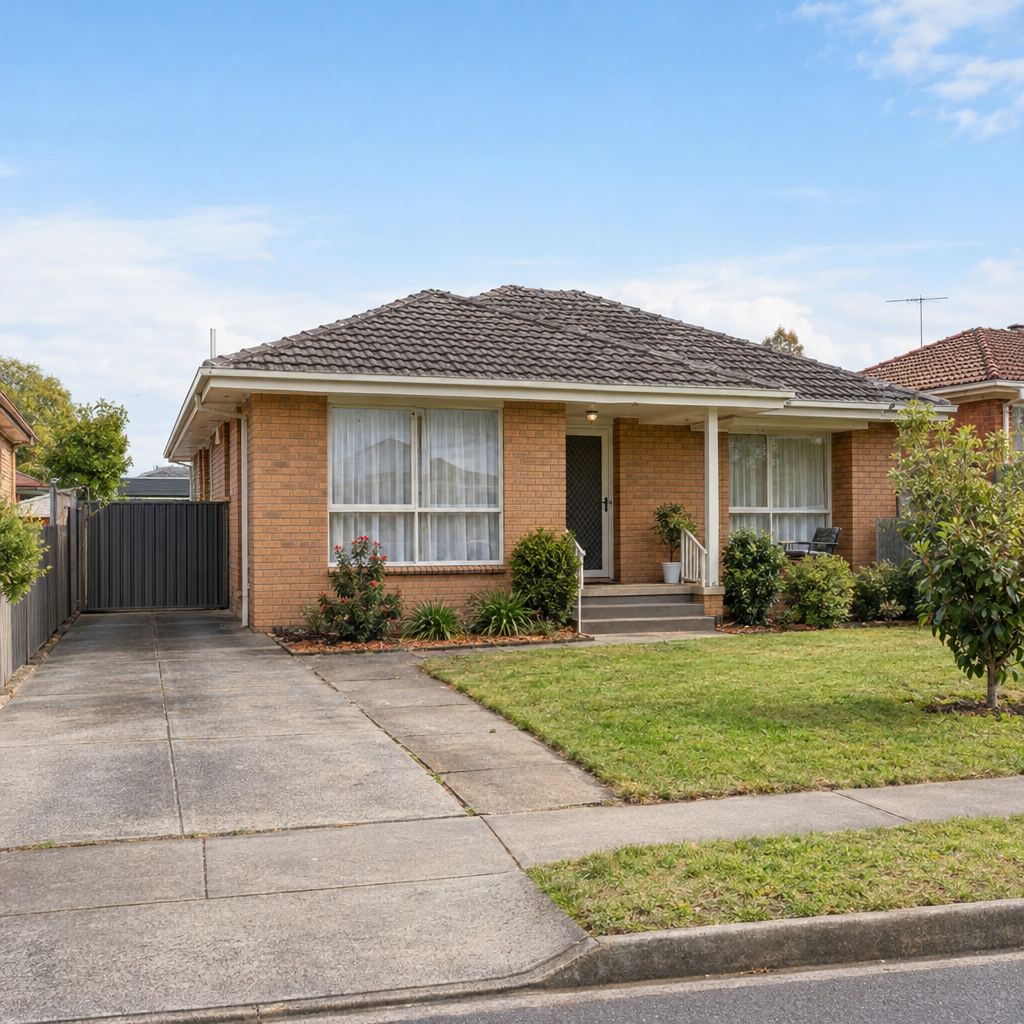
Is Sunshine a suitable location for a rooming house investment? It can be worth investigating for investors seeking an established western Melbourne suburb with transport access, local services and a varied housing stock. However, a successful rooming house investment in Sunshine depends far more on the individual property, conversion feasibility, operating costs and realistic room-by-room demand than on the suburb name alone.
Before committing to a purchase, investors should test whether a property can be configured safely and practically, whether its likely rooming house income supports the full cost base, and whether current planning, building, fire safety and operating requirements can be met. A conventional dwelling that appears affordable can become an expensive project if its layout, condition or approval pathway does not suit rooming house use.
For a broader overview of the model, start with Jabel Property’s Melbourne rooming house investor guide.
Why Sunshine attracts rooming house investors
Sunshine is often considered by investors because it sits within Melbourne’s western suburbs and offers established residential streets alongside access to employment areas, shops, community services and public transport. These characteristics can be relevant to prospective rooming house residents, but they should not be treated as proof of demand for a particular property.
Rooming house demand is highly location-specific. A property’s walkability, perceived safety, transport convenience, access to everyday amenities, room quality and weekly rent all influence leasing performance. Two properties in the same suburb can produce very different results if one is close to useful services and offers a functional layout, while the other relies on poor access, small bedrooms or an uncompetitive rent position.
The investment case should therefore be built from current local evidence rather than broad assumptions. Review active room advertisements, comparable weekly rents, vacancy periods where available, the quality of competing accommodation and the type of tenant each property is likely to suit. Jabel Property’s rent and renter research can help investors approach this work with a more structured market lens.
Start with the property, not the room count
A common mistake in rooming house investment is beginning with a desired number of rooms and then trying to force a property to fit the concept. In Sunshine, as elsewhere, the more reliable approach is to assess the existing dwelling and site before making income assumptions.
Useful early questions include:
Does the property have bedrooms of practical size, light, ventilation and privacy?
Can residents move through shared areas without regularly crossing private rooms?
Are there enough bathrooms, toilets, kitchen facilities and laundry provisions for the intended occupancy?
Can common areas be created without compromising bedroom usability?
Is there sufficient storage, waste capacity and external space for the likely resident population?
What condition are the roof, services, drainage, electrical systems and wet areas in?
Would the proposed works require significant structural change or a more modest reconfiguration?
A home with a generous floor plan may be a stronger candidate than a cheaper property with numerous small rooms and limited amenities. Conversely, a large property is not automatically suitable if its circulation, services or site constraints create expensive design problems.
Before purchasing, consider a specialist rooming house pre-investment check. Early feasibility work can identify issues that are difficult to see during a standard inspection, including conversion limitations, likely scope pressures and operational compromises.
Test the Sunshine income case without confusing yield and return
Rooming house investment is often discussed in terms of gross yield. Gross yield is a simple calculation: anticipated annual gross rent divided by the purchase price, usually expressed as a percentage. It can be useful for comparing opportunities at a high level, but it is not the same as the investment’s net return.
For a Sunshine rooming house, gross income assumptions should be based on realistic weekly rents for comparable rooms, not an aspirational figure multiplied across every room for every week of the year. Allow for vacancy, reletting periods, rent adjustments, room-specific differences and the possibility that not every bedroom commands the same price.
Net return requires a fuller view. Depending on the property and operating model, costs may include acquisition expenses, conversion works, furnishings, utilities, internet, insurance, maintenance, cleaning, gardening, compliance-related expenditure, management, marketing, repairs and finance costs. Some costs are fixed; others rise as occupancy increases or the property ages.
A more useful investor question is not “What gross yield can this property achieve?” It is “What income remains after conservative allowances for setup, operations, vacancies and capital maintenance?” The answer should be tested under more than one scenario, including a lower-rent or higher-cost case.
Do not assume that adding another rentable room improves the investment. If that additional room weakens shared living conditions, increases regulatory complexity, raises fitout costs or makes the property harder to lease, it may reduce the quality of the overall outcome.
Conversion costs can change the investment decision
The purchase price is only one part of the capital requirement. A Sunshine property may need anything from targeted upgrades through to substantial building works before it is ready for rooming house operation. The final scope depends on the dwelling’s layout, condition, intended occupancy, applicable requirements and the standard of accommodation an investor wishes to provide.
Potential work areas can include kitchens, bathrooms, laundries, flooring, painting, lighting, heating and cooling, security, furniture, appliances, external works and service upgrades. Fire safety and building requirements may also affect the scope. Requirements vary according to the property and current rules, so investors should obtain advice from appropriately qualified professionals and relevant authorities before relying on a proposed configuration or budget.
Quality furnishing is not merely cosmetic. Durable, functional room and common-area fitouts can support resident comfort, reduce early replacement costs and present the property more credibly in the rental market. Explore Jabel Property’s rooming house fitout services for considerations that go beyond simply filling rooms with furniture.
Due diligence in Sunshine should include the street and the operating reality
Suburb research should narrow a search, not replace property-level diligence. When inspecting a potential rooming house investment in Sunshine, assess the immediate setting at different times where possible. Look at pedestrian access, noise, parking pressure, waste collection arrangements, nearby land uses, street presentation and the practical journey to transport and services.
It is also worth considering who will manage the day-to-day experience. Rooming house operations involve more than collecting rent. Clear resident communication, maintenance response, cleaning standards, household expectations, inspections and vacancy management all affect the property’s condition and leasing reputation.
Investors should decide early whether they have the time, systems and experience to manage the property themselves or whether a specialist management arrangement is more appropriate. Learn more about rooming house management in Melbourne and the operational questions to resolve before launch.
Planning, building and compliance: verify before committing
It is not safe to assume that any large house in Sunshine can be used as a rooming house, or that a previous use, informal layout or real estate listing description confirms suitability. Whether planning permission, building approval, registration, fire safety measures or other steps are required depends on the site, proposed works, occupancy, applicable planning controls and current Victorian requirements.
Investors should verify the position for the specific property before purchase where possible. This may involve checking planning controls, speaking with the relevant council or authority, reviewing title and easement information, obtaining building and specialist advice, and confirming the pathway for the proposed use and works. A strong feasibility assessment identifies questions early; it does not assume approvals, compliance or tenancy outcomes.
Once operating, periodic review remains important. A rooming house compliance audit can assist owners in identifying areas that may need attention, subject to the circumstances of the property and current requirements.
What makes a Sunshine opportunity worth progressing?
A rooming house investment in Sunshine is generally worth further investigation when the property has a workable layout, the location supports a credible rental proposition, conversion costs are understood, and the conservative net-return model remains viable after allowing for real operating expenses.
It may be sensible to walk away when the deal depends on maximum occupancy, unusually high room rents, minimal vacancy, uncertain approvals or renovation estimates that have not been tested. Discipline at the acquisition stage can be more valuable than trying to rescue a marginal property after settlement.
Investors should also have a clear strategy for the asset. Consider the intended holding period, funding capacity for works and maintenance, preferred resident profile, management approach and eventual resale implications. The best option is not necessarily the property with the most bedrooms; it is the one that can operate as a safe, durable and commercially sound rooming house.
Frequently asked questions about rooming house investment in Sunshine
Is Sunshine a good suburb for rooming house investment?
Sunshine may warrant investigation because of its established suburban setting and access to local amenities and transport. Whether it is suitable for an individual investment depends on the specific property, current rental competition, realistic room rents, conversion costs, operating costs and applicable requirements.
How many rooms should a Sunshine rooming house have?
There is no universal ideal number. The appropriate configuration depends on the dwelling’s layout, room sizes, amenities, shared spaces, site conditions and the requirements applying to the proposed use. A smaller, well-designed operation may be stronger than a larger configuration that compromises resident experience or creates excessive costs.
Do I need approval to convert a house into a rooming house in Sunshine?
Requirements are property-specific and can depend on the planning scheme, proposed works, occupancy and current Victorian rules. Obtain advice from the relevant council or authority and qualified planning, building and compliance professionals before proceeding or relying on an assumed approval pathway.
Explore your Sunshine rooming house opportunity
A considered Sunshine rooming house investment begins with evidence: a property-specific feasibility review, conservative income assumptions, a properly scoped conversion budget and an operating plan that recognises the realities of shared accommodation. If you are assessing a purchase, conversion or existing rooming house, Jabel Property can help you clarify the key questions before you commit.
Book a 30-minute discovery call with Jabel Property to discuss your Sunshine rooming house investment considerations.
General information disclaimer: This article is general information only and is not legal, planning, building, fire safety, tax, financial or property-specific advice. Requirements and investment outcomes vary by property and may change. Obtain independent advice from suitably qualified professionals and confirm current requirements with relevant authorities before making decisions.