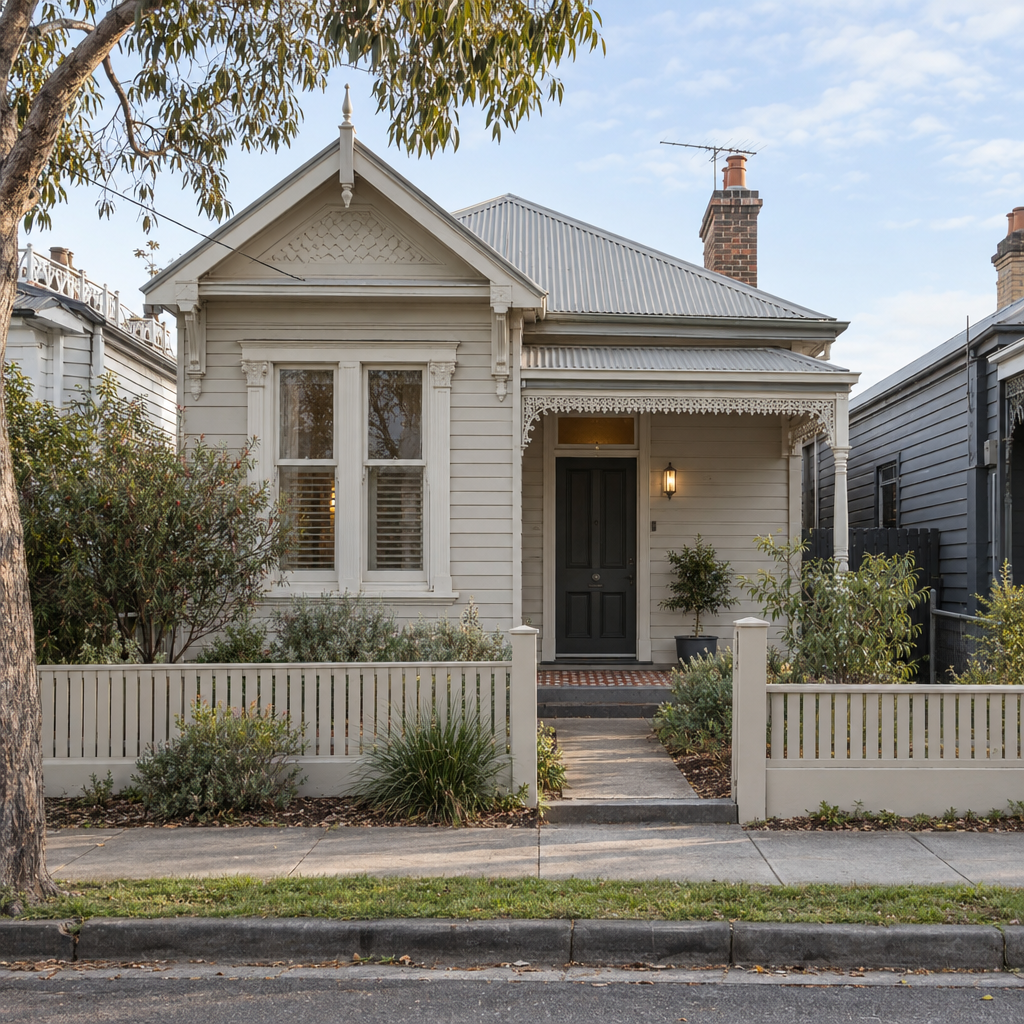
Is St Kilda a suitable location for rooming house investment? It can be, but the opportunity depends far more on the individual property, its planning and building constraints, the achievable room configuration and the cost of compliant operation than on the suburb name alone. St Kilda has established rental demand, strong public transport access and proximity to employment, education and lifestyle precincts. It also has older housing stock, heritage considerations and varied streetscapes that can make property selection and conversion feasibility especially important.
For investors considering a rooming house in St Kilda, the starting point is to assess whether a particular property can support a safe, functional and commercially viable rooming house model. That means looking beyond a headline gross yield and testing the likely capital works, room sizes, shared amenities, fire safety requirements, furnishing, operating costs and management plan before committing to a purchase.
Why St Kilda attracts rooming house investors
St Kilda is an established inner-Melbourne rental market with a mix of apartments, Victorian-era homes, period conversions and larger dwellings. Its location provides residents with access to tram and rail connections, major employment areas, hospitality venues, retail, health services and nearby education precincts.
These features can support demand for well-presented furnished rooms, particularly among people seeking flexible, accessible accommodation without taking on an entire lease. However, investor demand should not be confused with guaranteed occupancy. Tenant preferences, competing rooming houses, local apartment supply, room quality, price positioning and management standards can all influence leasing performance.
For a rooming house investor, St Kilda’s appeal is usually tied to the potential to create multiple income-producing rooms in a location where residents value convenience. The challenge is ensuring that the property can be adapted responsibly and that the income assumptions still work after all acquisition, conversion and operating costs are included.
The property matters more than the postcode
Not every larger home in St Kilda is a practical rooming house candidate. A property may appear suitable because it has several bedrooms or a generous land component, yet still present material constraints around layout, access, heritage, building condition, parking, amenity or planning controls.
Before progressing with an acquisition, investors should assess the fundamentals of the building rather than relying on an agent description or a theoretical bedroom count. Key questions include:
Can the existing floorplan accommodate appropriately sized and functional resident rooms?
Is there enough space for kitchens, bathrooms, laundry facilities, storage and communal living areas?
How will residents enter and move through the property safely?
Does the building have practical fire safety upgrade pathways?
Are there signs of structural issues, moisture damage, ageing services or deferred maintenance?
Could heritage controls, overlays or planning provisions affect the proposed works or use?
Will neighbouring properties, access arrangements or site conditions create operational challenges?
Can the finished rooming house be furnished, cleaned and managed efficiently?
Older homes can offer character and adaptable spaces, but they can also require more detailed due diligence. Narrow hallways, steep stairs, limited wet areas, small rooms and outdated electrical or plumbing infrastructure may affect both conversion cost and eventual resident experience.
A disciplined pre-purchase review can help investors identify these issues before they become expensive post-settlement surprises. Jabel Property’s rooming house pre-investment check is designed to help investors assess the practical potential of a prospective property before moving forward.
Planning, heritage and compliance need early attention
St Kilda includes areas with distinctive built form and potentially relevant planning overlays. Requirements can vary according to the property’s location, existing use, proposed works, number of residents, building characteristics and current planning controls. Investors should not assume that a rooming house conversion will follow the same pathway as a standard residential renovation.
Depending on the circumstances, a proposal may require planning advice, building approvals, specialist reports, permits or engagement with the relevant authority. Heritage controls may affect external alterations, demolition, additions, windows, fences and other visible changes. A property’s current lawful use can also be relevant when considering a change in how it will be occupied or operated.
Rooming houses also have operational and safety obligations that may apply under Victorian laws and local requirements. These can relate to building safety, fire safety, resident amenities, maintenance, registration and management. Requirements change over time and are fact-specific, so investors should obtain current advice from appropriately qualified building, planning, fire safety, legal and regulatory professionals before relying on any feasibility assumption.
A rooming house compliance audit can be a useful step for an existing rooming house or a property being assessed for operational readiness. It should complement, rather than replace, specialist advice required for the particular building and proposal.
Build a feasibility around net return, not just gross yield
Rooming house investment is often assessed using gross income: the total potential rent from all rooms over a year, divided by the purchase price or total project cost. This can be a useful initial screening measure, but it is not the same as net return.
A commercially useful feasibility should include realistic allowances for the costs of creating and operating the asset. Depending on the property and operating model, these may include:
Purchase costs, finance costs and holding costs during conversion
Design, planning, building, fire safety and professional consultant costs
Renovation, repairs, services upgrades and contingency allowances
Furniture, appliances, linen, locks, security and common-area setup
Utilities, internet, insurance, cleaning, gardening and waste services
Property management, leasing, administration and vacancy allowances
Ongoing repairs, replacement of furniture and longer-term capital maintenance
In St Kilda, a character property may require a larger contingency than a more modern building because hidden conditions can be difficult to identify before works begin. It is also important to model conservative income scenarios. Instead of assuming every room will be occupied continuously at the highest advertised price, test the impact of vacancy, turnover, incentives, rate changes and unplanned repairs.
The strongest feasibility is not necessarily the one with the highest projected gross yield. It is the one that remains workable when reasonable costs and downside assumptions are included.
Design for resident appeal and day-to-day operations
Rooming house performance is closely connected to how the property feels and functions after conversion. In a competitive inner-city location, residents are likely to compare room size, cleanliness, bathrooms, kitchen usability, storage, natural light, security, internet access and the overall presentation of common areas.
A good layout balances private room comfort with shared facilities that can cope with daily use. Overcrowding kitchens or bathrooms may reduce resident satisfaction and increase cleaning, maintenance and turnover pressure. Equally, attempting to create too many rooms can compromise amenity and may undermine the long-term investment case.
Furnishing decisions should be practical as well as attractive. Durable, easily replaceable items and clear furniture standards can make operations simpler over time. A coordinated rooming house fitout can help investors align furniture, common areas and room presentation with the intended resident market.
Investors should also consider the operational reality of managing a shared property. Turnover, cleaning, maintenance requests, resident communication and room presentation require consistent attention. A capable management approach is not an optional extra; it is part of protecting the property, supporting residents and maintaining income quality. Learn more about rooming house management in Melbourne when comparing self-management against specialist support.
What to investigate before making an offer
For St Kilda rooming house investment, the most useful due diligence occurs before an unconditional purchase commitment. A well-structured investigation process should establish whether the property has a realistic pathway from acquisition to operation.
Inspect the building carefully, including roof, subfloor where accessible, plumbing, electrical systems and signs of water ingress.
Review title details, easements, access arrangements and any restrictions that may affect building works.
Check applicable planning information and identify possible overlays or heritage considerations.
Prepare an indicative floorplan that reflects practical room sizes and resident amenities rather than a maximum theoretical room count.
Obtain informed preliminary views on likely conversion scope, compliance items and building costs.
Research local room rental competition, room quality and advertised pricing without treating advertised rates as guaranteed income.
Model conservative income, vacancy, operating expenses and contingency scenarios.
Consider who will lease, manage, clean and maintain the property once it is operating.
Investors who complete this work early are better placed to negotiate confidently, walk away from unsuitable properties and allocate capital to opportunities with a more credible operational pathway.
Frequently asked questions about rooming house investment in St Kilda
Is every large St Kilda house suitable for a rooming house?
No. A larger dwelling may still be unsuitable due to its layout, condition, access, amenity, planning context, heritage considerations, building requirements or conversion cost. Property-specific due diligence is essential.
Do I need council approval to operate a rooming house in St Kilda?
Requirements depend on the property, proposed use, works, applicable planning controls and current regulatory obligations. Some projects may involve planning, building, registration or other approval considerations. Investors should confirm current requirements with the relevant authority and qualified advisers rather than making assumptions.
How should I estimate room rental income?
Start with current comparable room listings, then adjust for the property’s room sizes, furnishing, bathrooms, shared spaces, transport access, presentation and inclusions. Use conservative assumptions for occupancy and turnover, and distinguish potential gross rent from the net income remaining after operating costs.
A measured approach to St Kilda rooming house investment
St Kilda can present worthwhile rooming house investment opportunities for buyers who approach the suburb with detailed property-level analysis. The location may support resident appeal, but successful outcomes depend on selecting the right building, understanding constraints early, budgeting properly and operating the property to a consistent standard.
If you are considering a St Kilda property, book a 30-minute discovery call with Jabel Property to discuss your investment goals, property considerations and potential next steps.
General information disclaimer: This article is general information only and is not legal, financial, tax, planning, building or compliance advice. Rooming house requirements and investment outcomes depend on the individual property, current laws, approvals, costs, market conditions and professional advice.