
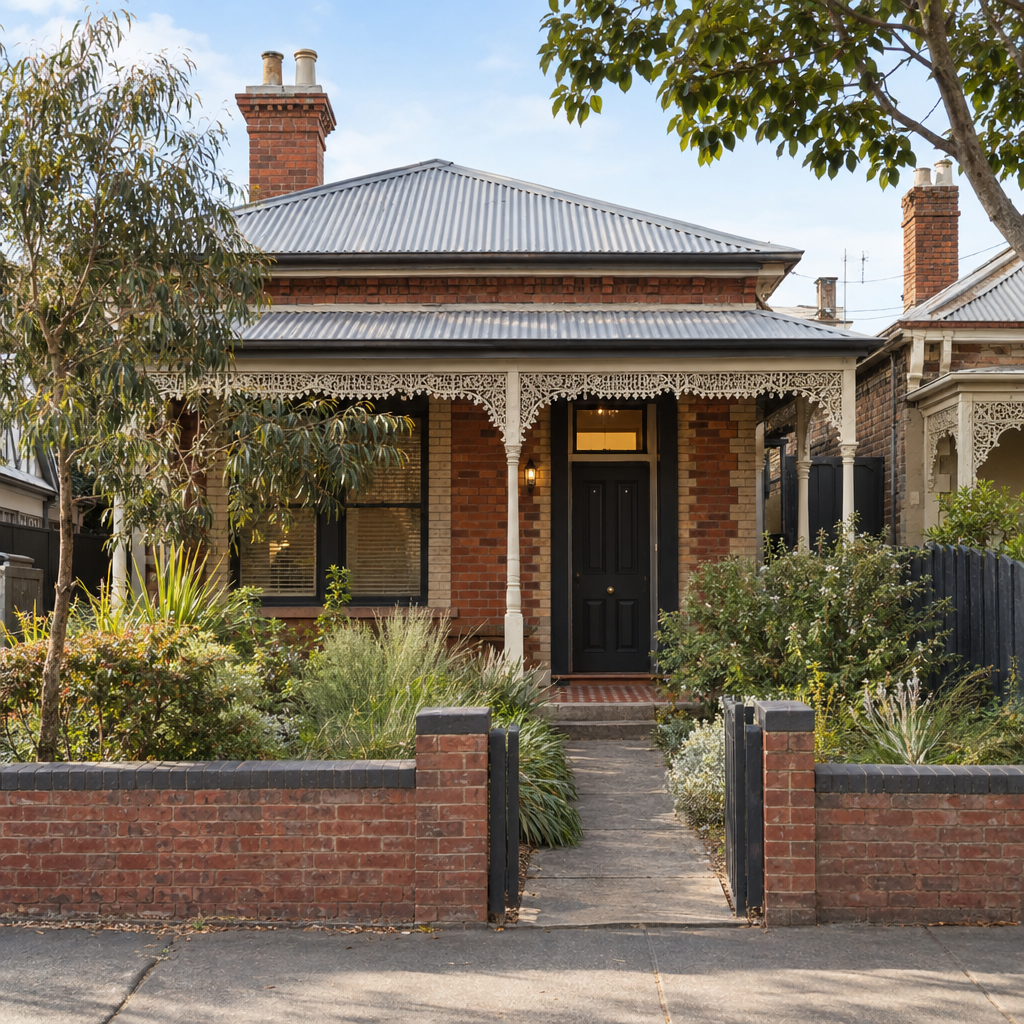
Rooming house investment in Richmond can suit investors seeking strong rental demand from a well-connected inner-Melbourne location, but the suburb’s higher acquisition costs, tightly held housing stock and property constraints mean the opportunity needs to be assessed carefully. The right outcome depends less on Richmond’s postcode alone and more on whether a particular property can be configured, approved where required, furnished, operated and maintained as a viable rooming house.
Richmond offers proximity to major employment precincts, public transport, education, hospitality, health services and central Melbourne. These fundamentals can support demand for well-presented rooms, particularly from renters who value location, convenience and an inclusive living arrangement. However, investors should not assume that strong tenant demand automatically creates a strong net return. Purchase price, conversion scope, ongoing management, utilities, maintenance, vacancy and compliance obligations all matter.
For investors considering a Richmond opportunity, the most useful question is: can this individual property deliver a commercially sensible net return after its purchase, setup and operating costs? A pre-purchase assessment is usually more valuable than relying on suburb-level assumptions.
Why Richmond attracts rooming house investors
Richmond has characteristics that commonly attract rooming house investors. It is close to the CBD while also functioning as an established destination in its own right, with retail, dining, sporting, entertainment and employment activity. Multiple transport connections can make it attractive to renters who do not want to depend on a car or live further from work, study or city amenities.
From an investment perspective, a well-located Richmond rooming house may appeal to a broad renter pool rather than relying on one household type. Depending on the property, room configuration and room pricing, prospective residents may include working professionals, students, people relocating to Melbourne, shift workers and renters seeking a simpler alternative to entering a conventional share lease.
That said, demand should be tested rather than presumed. Rental preferences can vary between pockets of Richmond, and not every room layout will meet the expectations of the local market. A large, bright, furnished room close to transport may have a different leasing profile from a small room in a busy location with limited privacy, poor storage or insufficient shared facilities.
Investors can review broader rooming house considerations in Jabel Property’s Rooming Houses Melbourne Investor Guide, then apply those principles to the specific Richmond property under consideration.
Richmond is not a single investment market
It is easy to discuss Richmond as one market, but rooming house suitability can change considerably from one street to another. Access to train and tram services, walkability, traffic exposure, parking conditions, nearby commercial activity, noise, street presentation and the character of neighbouring properties can all affect both conversion feasibility and renter appeal.
For example, a property near transport and daily amenities may be attractive to room renters, but a highly active entertainment or traffic environment may also create noise considerations. A quieter residential pocket may offer a more settled living environment, but it may be less convenient for renters without cars. Neither setting is automatically better; the decision should reflect the likely resident profile, property design and proposed operating model.
Richmond also contains a mix of period homes, terraces, townhouses, apartments and altered dwellings. This diversity creates opportunity, but it means investors should avoid using a generic rooming house model. Older properties can have appealing character and useful room sizes, yet may require more careful investigation of building condition, services, access, fire safety measures and renovation scope.
Start with property suitability, not bedroom count
A property with several bedrooms is not necessarily a suitable rooming house. The number of rooms is only one part of the analysis. Investors should consider whether the dwelling can provide a functional, safe and marketable shared-living environment.
Important practical questions include:
Are bedrooms of a size, layout and condition that renters are likely to find acceptable?
Is there enough bathroom, kitchen, dining, laundry and storage capacity for the intended number of residents?
Can residents move through the home comfortably without compromising privacy or access?
Is there adequate natural light, ventilation, heating, cooling and general amenity?
What work may be needed to improve fire safety, egress, security, electrical systems or other building elements?
Does the property have outdoor areas, parking or waste arrangements that need to be managed differently?
Will the conversion preserve the property’s appeal while making it practical to operate?
In a higher-value suburb such as Richmond, inefficient design choices can be expensive. Investors may be tempted to maximise room numbers, but overcrowding a layout or underproviding shared amenities can weaken tenant appeal, increase wear and create operational pressure. A smaller, better-designed rooming house can sometimes be more resilient than a larger arrangement with compromised living standards.
Before committing to a purchase, consider a rooming house pre-investment check to examine whether the building, likely works and operating potential align with your investment objectives.
Conversion costs can reshape the investment case
Richmond property prices can place pressure on the initial investment equation, so conversion costs deserve close attention. The scope may range from furnishing and cosmetic upgrades through to more substantial building works, services upgrades, bathroom changes, kitchen improvements, access adjustments or fire safety measures.
It is important to separate a preliminary concept from a properly costed conversion plan. A property that appears inexpensive to alter at inspection may reveal more extensive requirements once its condition, layout and applicable requirements are investigated.
Conversion decisions should be based on more than the immediate setup budget. Investors should ask whether each improvement contributes to one or more of the following:
Better resident amenity and leasing appeal
Improved durability and lower maintenance exposure
More practical day-to-day management
Safer building operation
Support for applicable compliance obligations
Stronger long-term presentation in a competitive rental location
A considered rooming house conversion approach can help investors weigh the relationship between capital expenditure, property functionality and likely operating performance. Any building, planning, fire safety or regulatory requirements should be confirmed for the actual property with the relevant authority and appropriately qualified professionals.
Gross room income is not the same as net return
One of the most common rooming house investment mistakes is focusing on potential gross weekly room income without fully accounting for operating costs. Gross income is the total rent collected before expenses. Net return is what remains after the costs of owning and operating the property have been considered.
For a Richmond rooming house, the gross income estimate may be influenced by room size, furnishing standard, included utilities, location, presentation, shared facilities and current market competition. However, a useful feasibility model should also allow for costs such as:
Finance, council rates, insurance and property-related charges
Utilities where included in room rent
Internet and other resident services
Cleaning of shared areas and consumables
Repairs, maintenance and replacement of furnishings
Rooming house management and leasing costs
Vacancy, arrears and tenant turnover allowances
Compliance-related inspections, documentation or upgrades where applicable
Tax, accounting and legal advice relevant to the investor’s circumstances
Richmond may support higher room rents than some outer locations, but the acquisition cost and operating expectations may also be higher. The goal is not simply to achieve the highest advertised room rent. It is to establish a realistic income model that remains credible after vacancy and recurring expenses are included.
Investors should use current local rental evidence, conservative assumptions and professional financial advice before making a purchase decision. Past performance, indicative rent levels and gross-yield calculations do not guarantee future returns.
Furnishing and presentation matter in an inner-city location
Richmond renters often have alternatives, including apartments, share houses and rooms in nearby inner suburbs. That makes presentation important. A rooming house does not need to be overcapitalised, but it should feel clean, functional, secure and comfortable for the intended resident market.
Furniture selection should consider durability, cleaning, replacement cycles and room dimensions, not only visual appeal. Bedrooms need practical storage, appropriate beds and work or study functionality where space permits. Shared spaces should be easy to use and maintain. In a rooming house setting, furniture and finishes are operating assets that will experience regular use.
Investors exploring setup options can learn more about rooming house fitouts that balance resident experience with practical property operation.
Management is part of the Richmond investment proposition
A rooming house is an operational property asset, not simply a conventional rental with more occupants. Leasing rooms, communicating with residents, managing shared spaces, coordinating maintenance, responding to issues and maintaining documentation all require a deliberate management approach.
In a location such as Richmond, prompt communication and reliable presentation can influence tenant retention and referral demand. Frequent turnover, unresolved maintenance or poorly managed common areas can undermine the property’s reputation and increase vacancy risk. Conversely, clear house expectations, responsive management and routine cleaning can support a better resident experience.
Before purchasing, investors should decide whether they have the capacity to manage the property themselves or require specialist support. Jabel Property’s rooming house management in Melbourne information outlines the operational areas investors should consider when planning ownership.
Compliance and approvals need property-specific investigation
Rooming house investment involves regulatory, building and operational considerations that cannot be confirmed from a real estate listing or a general suburb assessment. Requirements may depend on the property’s existing use, proposed resident numbers, building characteristics, works scope, planning controls, local government processes, registration requirements and applicable Victorian laws and standards.
Investors should not assume that a property can be used as a rooming house because it has multiple bedrooms, has previously been rented to several people or appears similar to another local property. Equally, investors should not assume that council approval is always required. The correct pathway depends on the specific proposal and current requirements.
Early due diligence may involve speaking with the relevant council, reviewing planning controls, obtaining building and fire safety advice, and seeking legal, financial and tax advice appropriate to your circumstances. A rooming house compliance audit can also help investors understand operational compliance considerations for an existing or proposed rooming house.
Frequently asked questions about rooming house investment in Richmond
Is Richmond a good suburb for rooming house investment?
Richmond can be worth investigating because of its inner-Melbourne location, transport access and broad rental appeal. Whether it is a good investment for you depends on the purchase price, property suitability, conversion budget, achievable room rents, operating costs and current regulatory position. Suburb popularity alone does not determine net return.
What type of Richmond property may suit a rooming house?
A suitable property needs more than multiple bedrooms. Investors should assess room sizes, shared amenities, access, building condition, layout efficiency, likely works and the ability to meet applicable requirements. Period homes, terraces and other larger dwellings may warrant investigation, but every property requires its own due diligence.
How should I estimate rooming house income in Richmond?
Start with current evidence for comparable furnished rooms and consider the quality, size and location of the proposed rooms. Then test a conservative occupancy assumption and deduct all anticipated operating expenses. Do not treat advertised room prices as guaranteed income or rely on gross yield alone.
Do I need approval to operate a rooming house in Richmond?
Approval, registration, planning and building requirements depend on the property and proposed use. Obtain current advice from the relevant authorities and qualified professionals before purchase, conversion or operation. Requirements can change and should be verified for the particular property.
Take the next step before committing to a Richmond property
Richmond rooming house investment can offer a compelling combination of location and renter demand, but it rewards disciplined due diligence. Assess the building before the brochure, the net operating position before the gross yield, and the management requirements before assuming the property will run itself.
If you are considering a Richmond property or want to discuss rooming house investment in Melbourne, book a 30-minute discovery call with Jabel Property.
General information disclaimer: This article provides general information only and is not legal, financial, tax, planning, building, fire safety or property-specific advice. Rooming house requirements and investment outcomes depend on the property, proposed use, current laws, market conditions and individual circumstances. Seek advice from relevant qualified professionals and authorities before making investment or conversion decisions.