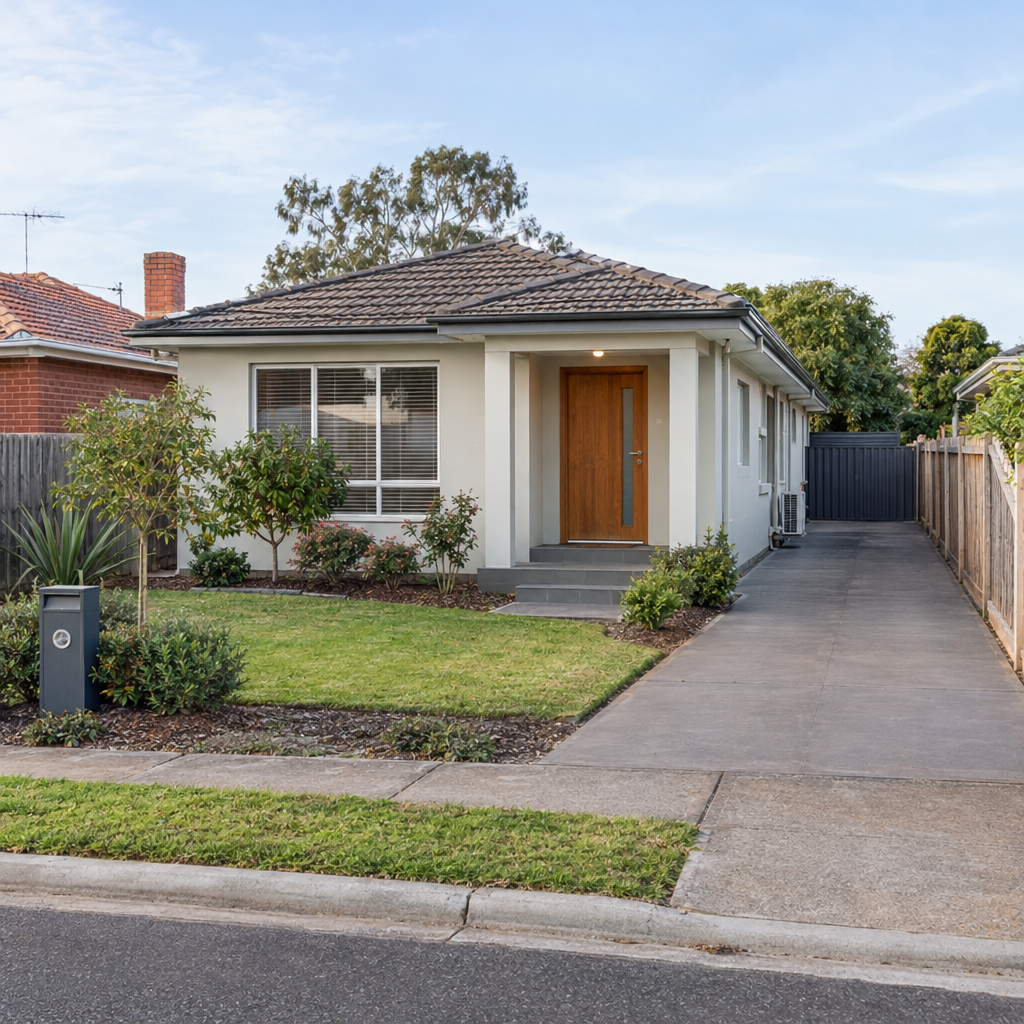
Investing in a rooming house in Melbourne, Australia can offer a different income model from a standard residential rental property: multiple separately rented rooms may create a higher potential gross income from one address. The trade-off is that rooming house investment is more operationally involved and carries specific property, planning, building, fire safety, registration, management and tenant-care considerations. A sound investment decision starts with assessing whether the property can suit the intended use, what work may be required, and whether the likely net return justifies the cost and complexity.
For investors, the key question is not simply, “How many rooms can this property have?” It is, “Can this property be lawfully, safely and sustainably operated as a rooming house in its location, with a tenant offering and operating cost base that supports the investment?”
Why rooming house investment is different from a standard rental
A conventional rental is generally leased to one household under one tenancy arrangement. A rooming house is operated around individual room occupancy, shared facilities and ongoing management of a communal living environment. This changes both the revenue profile and the investor’s responsibilities.
Potential advantages may include diversified rental income across several rooms and the ability to provide a furnished, accessible rental option for people seeking flexibility. However, those advantages should be assessed alongside higher furnishing requirements, utility consumption, cleaning, maintenance, vacancy management and active tenant communication.
It is useful to separate gross yield from net return. Gross yield compares annual rental income with the property purchase price or total project cost. It does not account for operating costs. A net return assessment should allow for expenses that may include rates, insurance, utilities where included, internet, cleaning, repairs, consumables, management, vacancy, leasing costs, compliance-related work and replacement of furniture or appliances over time.
A property that appears attractive based on room-by-room rent alone may be less compelling once the full operating model is considered. Conversely, a well-located and appropriately configured home may perform more consistently when it is designed around practical day-to-day operation rather than maximum bedroom numbers.
Start with the location and tenant proposition
Melbourne is not one uniform rooming house market. Tenant demand, local amenity, transport access, competing rental supply and neighbourhood expectations can vary significantly between suburbs and even between nearby streets.
Before buying or converting a property, define the tenant group the rooming house is intended to serve. This is not about making assumptions about individuals; it is about matching the property’s location, layout and inclusions to a realistic rental proposition. Depending on the area, prospective residents may value proximity to employment, education, public transport, health services, shopping, parks or family networks.
Questions to investigate include:
What rental options already exist nearby, including individual rooms, apartments and shared houses?
What room types, furnishing levels and shared amenities are being offered?
Is the property convenient for the locations and services likely residents need?
Will the home provide practical shared living space, storage, laundry access and reliable internet?
Is the proposed weekly room price supported by comparable offerings and the quality of the accommodation?
Research should extend beyond advertised rents. An advertised price is not necessarily an achieved rent, and a listing remaining online for an extended period may indicate that pricing, location, condition or the tenant offer needs attention. Jabel Property’s rent-orientated research can help investors approach local demand and room pricing with a more structured lens.
Property selection: what makes a home more adaptable?
Not every large house is a suitable rooming house candidate. Size matters, but layout, access, services and the extent of required works often matter more. A property with several nominal bedrooms may still be unsuitable if circulation is poor, bathrooms are insufficient, common spaces are compromised or fire safety upgrades become disproportionately difficult.
When screening a potential property, consider the following practical characteristics:
A layout that can support private rooms without creating awkward access through another resident’s space.
A functional number and placement of bathrooms and toilets for the intended occupancy.
Shared kitchen, dining and living areas that remain usable after rooms are allocated.
Suitable access and egress arrangements, including pathways and entrances.
Capacity for furniture, appliances, storage and laundry facilities.
Condition of electrical, plumbing, heating, ventilation and drainage systems.
Parking, public transport access and the likely neighbourhood context.
Scope to address any required fire safety, building or amenity works without undermining the project budget.
It is also important to distinguish a property’s existing bedrooms from rooms that may be proposed after alterations. Converting a lounge, dining room, garage or other area into a bedroom can raise building, amenity, fire safety and approval questions. Do not assume that a room can be rented simply because it physically fits a bed.
An early rooming house pre-investment check can help identify key feasibility questions before an investor becomes committed to a purchase or conversion path.
Due diligence comes before renovation
A common investor mistake is to focus on cosmetic improvements before confirming the property’s broader feasibility. Rooming house use may involve requirements under Victorian residential, building, fire safety, health, planning and local government frameworks. The applicable obligations can depend on the property, municipality, proposed resident numbers, building classification, works proposed and current rules.
Requirements are not identical across every property or council area. Planning approval may be required in some circumstances, while other projects may involve different pathways or considerations. Registration and ongoing obligations may also apply to the operator. Investors should seek current advice from the relevant council and appropriately qualified building, planning, fire safety, legal and other professionals before relying on an assumed approval pathway.
Your due diligence should consider:
The current planning controls affecting the land and whether the intended use or works require further assessment.
Whether building work is proposed and what permits, documentation or inspections may be needed.
Fire safety measures appropriate to the existing building and proposed use.
Whether the property can meet relevant room, amenity, safety and maintenance expectations.
Registration, operational and record-keeping obligations that may apply.
Insurance suitability for the intended use.
Finance conditions and lender acceptance of the proposed property type or use.
A rooming house compliance audit can be a useful part of understanding gaps in an existing operation or assessing what may need attention before opening or acquiring a rooming house. It is not a substitute for authority determinations or professional advice relevant to a particular property.
Build a feasibility model that includes the real operating costs
Good rooming house feasibility is conservative. It tests whether the project remains workable when rooms are not always occupied, repairs arise, utility bills move and leasing takes longer than expected.
Start with a clear total project cost. This may include the purchase price, stamp duty, legal and finance costs, building works, professional reports, permits where applicable, fire safety works, furniture, whitegoods, security, landscaping, signage, initial consumables and contingency.
Then model income using realistic room rents and a vacancy allowance. Avoid treating every room as continuously occupied from day one. Consider different scenarios: a base case, a softer leasing period and a higher-cost operating period. The purpose is not to predict a guaranteed outcome; it is to understand the sensitivity of the investment.
Ongoing costs may include:
Property management and tenant placement fees.
Utilities, internet and any services included in room pricing.
Regular cleaning of shared areas.
Routine maintenance, emergency repairs and appliance replacement.
Insurance, council rates and land tax where applicable.
Compliance, administration and professional service costs.
Furnishing replacement and presentation costs between occupancies.
Investors should also decide how much hands-on involvement they want. A rooming house can require more frequent communication, issue resolution and property oversight than a single-tenancy rental. Specialist rooming house management in Melbourne may suit owners who want experienced operational support, but management fees and service scope should be incorporated into the numbers from the beginning.
Fitout is an operational decision, not just an interior design decision
Furnishing and layout influence tenant experience, durability, cleaning time and maintenance cost. A rooming house should feel functional and respectful rather than overcrowded. Durable furniture, easy-to-clean finishes, secure storage, adequate lighting and practical common areas can reduce avoidable friction over time.
Each room needs to be considered in relation to privacy, comfort, storage and the wider layout of the house. Shared kitchens and bathrooms should be designed around actual usage, not only appearance in photographs. Poorly planned communal areas can lead to higher wear, more maintenance and a weaker resident experience.
For investors undertaking a conversion or refresh, Jabel Property’s rooming house fitout service focuses on furnishing and practical setup considerations for this type of accommodation. Where structural, building or safety works are involved, the right licensed and qualified professionals should be engaged for the relevant scope.
Operating well protects the asset
A rooming house is an income-producing property, but it is also a shared home. Consistent operations support both resident wellbeing and asset performance. Clear house expectations, responsive maintenance, clean common areas and fair communication are not optional extras; they help create a more stable living environment.
Owners should have a plan for tenant enquiries, room inspections, condition reporting, cleaning, maintenance escalation, utilities, safety checks and vacancy turnover. They should also understand the boundaries of their responsibilities and ensure that tenancy practices reflect current Victorian requirements.
In practical terms, an investor’s long-term result may be influenced as much by the quality of ongoing operations as by the initial acquisition price. The right property can still struggle if it is poorly maintained, inaccurately priced or inconsistently managed.
Frequently asked questions
Is a rooming house in Melbourne more profitable than a standard rental?
It can generate higher potential gross rental income because rooms may be rented separately, but that does not automatically mean a higher net return. Rooming houses can have higher setup, furnishing, utility, cleaning, maintenance, vacancy and management costs. Compare the likely net income after all costs, risks and contingencies rather than relying on gross rent alone.
Do I need council approval to operate a rooming house?
Approval, registration and compliance requirements depend on the property, intended use, proposed works, municipality and current Victorian rules. Do not assume one pathway applies to every address. Check current requirements with the relevant local council and obtain advice from suitably qualified professionals before proceeding.
Can I convert any Melbourne house into a rooming house?
No. A property’s suitability depends on its layout, location, condition, shared facilities, access, proposed occupancy, required works and applicable requirements. A pre-purchase or pre-conversion assessment can identify constraints before substantial money is committed.
What should I do before making an offer on a potential rooming house property?
Conduct conventional property due diligence, then assess rooming house feasibility separately. Review the location and tenant proposition, inspect layout and services, estimate realistic conversion and operating costs, investigate applicable planning and building considerations, and seek professional advice appropriate to the property. A structured Melbourne rooming house investor guide is a useful starting point for framing the questions.
A practical next step for Melbourne investors
Rooming house investment can be a considered strategy for investors prepared to assess the full picture: location, property suitability, compliance pathway, setup budget, tenant demand and ongoing management. The strongest decisions are usually made before purchase, when there is still time to test assumptions and walk away from a project that does not stack up.
If you are considering a rooming house in Melbourne, Australia, book a 30-minute discovery call with Jabel Property to discuss your investment objective, property concept or conversion questions.
General information disclaimer: This article provides general information only and is not legal, financial, tax, planning, building, fire safety or property-specific advice. Requirements and outcomes depend on current laws, local authority requirements and individual property circumstances. Obtain advice from relevant qualified professionals and authorities before making an investment or operational decision.